


How to Ensure the Quality of your Work is at a Level Suitable for Galleries and Collectors
- Bisi Onisemo
- Apr 22, 2023
- 5 min read
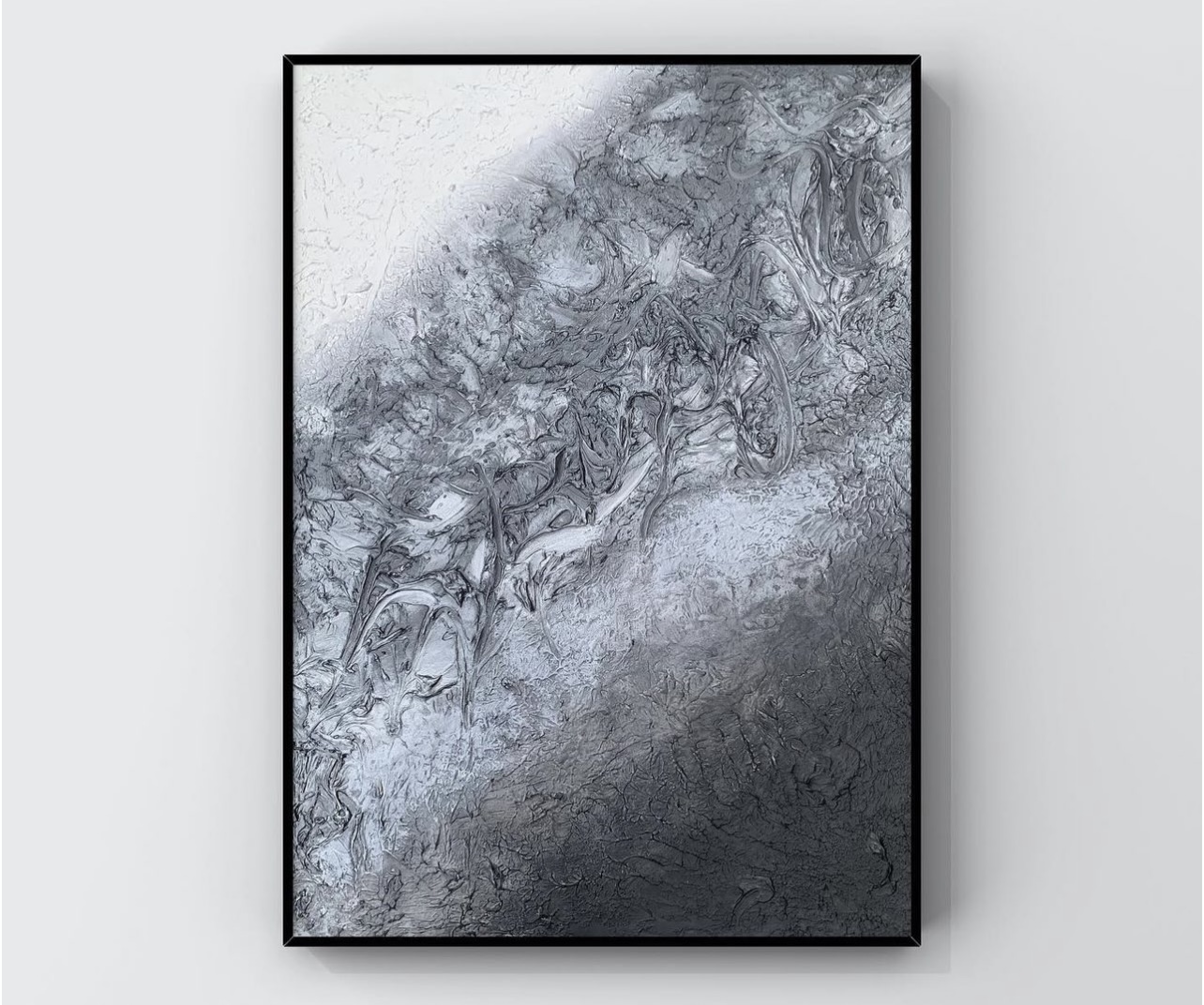
As you expand your marketing efforts and as we discuss ways that you can increase your sales, it's important to ensure that your artwork is of the highest possible quality.
I want to discuss this subject carefully because there are two separate, but equally critical elements to creating a high quality piece of art. The differences between these aspects of quality can cause confusion. I've learned that gallery owners and collectors can see quality in a very different way than artists.
The first aspect of quality, the one that artists tend to focus on, is in the work itself. It’s the quality you’ve cultivated through thousands of hours spent in the studio, and through the time you’ve spent in art school or in workshops.
This element of quality is the one upon which many artists focus most of their energy, and that’s rightfully so. The quality of your technique, your ability to create a balanced composition, and your originality are all vital.
Today, however, I want to focus on a second aspect of quality, one that is often overlooked, or at least minimized, by many artists, and that is the craftsmanship involved in creating a piece of fine art. This aspect of quality comes into play in the preparatory work that occurs before you ever begin the process of creating. It also includes the work that comes after you are finished creating the artwork as you prepare to present it to the world.
I’ve seen far too many artists for whom the quality of materials, presentation and finish are mere afterthoughts. If the art is good, the thinking goes, the presentation won’t matter.
This simply isn’t true.
While it is true that the most expensive presentation in the world won’t save a poor piece of art, it’s equally true that the greatest piece of art can be severely handicapped by poor craftsmanship and presentation. I have seen artists with real talent languish because their work is presented poorly.
Before you take this as harsh criticism, let me say that I completely understand the challenges this question of quality presents to an artist - especially an artist who hasn’t begun generating steady sales.
Quality comes at a cost, and often, as an artist struggles to make ends meet, it’s an incredible challenge to find the means to invest in quality. The important word here is "invest."
One of the most important changes you can make as you work toward greater sales and gallery representation is to stop thinking of your materials and presentation as costs or expenses, and rather to think of them as investments. The more you can invest in high quality materials, the higher the return you are going to see on that investment over time.
There are three key components to crafting a quality piece of art: materials, finish and presentation.
Materials
The first element of quality is material. Strive to find and incorporate into your work the highest quality materials you can obtain. Whatever your style or medium, there are materials out there that are going to be best suited to your work. They are not always easy to find, and they are often costly, but again, as you think about selling your work at a higher level, quality materials are a critical investment.
I’m not sure that a collector could necessarily articulate to us the difference between different qualities of paint, or the different compositions of bronze, but, in my experience, collectors develop a kind of sixth sense for quality. They know it when they see it.
It’s also important to remember that your artwork is going to be part of a buyer’s collection for years, decades, and even generations. Employ materials that are going to withstand the test of time.
Finish
Finish is the next important element of quality. As an artist, you envision your artwork hanging on a wall or sitting on a pedestal. You can easily forget that a collector is going to interact with the piece in a much more intimate way. After they purchase the piece, buyers have to get it into their home and install it. As they do this, they are going to see the piece of art from every possible angle -not only the front, but the back, the top, the bottom, and the sides. Make sure your art conveys quality from every angle.
Think of a fine furniture maker, a luxury car manufacturer. It’s the attention to detail that makes all the difference.
As I have had the opportunity to work with many highly successful artists over the years, I’ve observed that many are perfectionists. They are never quite satisfied with the quality of the piece of art they just produced. They are constantly striving to improve.
Presentation
An important factor for many art buyers is the experience they have when they are making the purchase. Acquiring art is a special and unique process. Art is a discretionary purchase. We don’t buy art because we need it, we buy art because it touches us. Buying art can be a tremendous pleasure and a luxury.
Our job then is to cater to that desire and enhance the experience to the best of our ability. Much of the work I do in the gallery is to speak to the collector’s expectations of quality and to create that positive buying experience.
I want collectors to feel as if the work they are seeing in the gallery is of the highest caliber. That the work is museum-worthy. It’s amazing the power our presentation of the work can have in conveying the message that the piece is important.
Evaluating the Quality of Your Work
So how do you know if the quality of your work is where it needs to be? It can be difficult to be objective about your own work. I would suggest you enlist the help of an outside observer. It's best if you can find someone who is in the art industry and ask them for feedback. Invite an Interior designers, gallery owner, or another artist whose work you admire to your studio to see your work. Ask them to critique your presentation, materials and finish. Ask for specific advice about what you might do to improve the quality of your work.
As you begin working with galleries you will find that they will become an invaluable source of feedback on the quality of your work. Listen to what they convey to you about customer feedback on your art.
Once you discover specific areas that you need to work on, start the process of improving the quality of your work one step at a time. Your presentation doesn't have to become perfect right away, but you should be constantly working to improve the quality of your work.
Blog from Xanadu Gallery.
Comments